

The firing of Pam Bondi represents a significant political and legal upheaval involving the abrupt termination of a prominent conservative figure from a high-level executive role. This controversial dismissal triggered widespread partisan reactions, extensive financial market speculation, and highly organized public protests across the nation. As a polarizing political event, the termination highlighted deep ideological divides between conservative loyalists who viewed the move as a political purge, and progressive critics who celebrated the accountability of a controversial administrative figure.
Understanding the full scope of this narrative requires a deep dive into the underlying factors that led to the termination. This includes a comprehensive examination of her political and legal tenure, the internal power struggles that resulted in her sudden ousting, the immediate civic unrest and grassroots demonstrations that followed, and the subsequent ripple effects felt across various economic sectors. The event serves as a crucial case study in how modern political dismissals transcend administrative reshuffling, instantly becoming cultural and economic flashpoints in a deeply divided public square.
What Defined the Pam Bondi Tenure Analysis?
The Pam Bondi tenure analysis reveals a period characterized by aggressive conservative legal strategies, high-profile partisan alignments, and controversial deregulatory policy implementations. Throughout her time in office, Pam Bondi prioritized rigorous constitutional originalism and alignment with “America First” policy platforms, frequently engaging in multi-state litigation against progressive federal mandates. Evidence of her impact includes her spearheading of legal challenges against federal healthcare expansions and her staunch defense of state-level sovereignty, which earned her a formidable reputation among conservative legal circles. Furthermore, her tenure was marked by a strict adherence to corporate deregulation, which fostered a highly favorable environment for allied business interests but drew intense scrutiny from consumer protection advocates.
Contextually, her leadership style polarized stakeholders from the outset, creating a volatile administrative environment where policy decisions were frequently contested in both the courts and the court of public opinion. Progressives and moderates viewed her tenure as an era of ideological overreach that systematically dismantled essential regulatory frameworks. Conversely, conservative factions celebrated her as a vital bulwark against federal overreach. The implication of this deeply analyzed tenure is that any subsequent leadership stepping into her vacated role will face immense structural pressure to either aggressively dismantle her extensive bureaucratic framework or fiercely protect the precedents she established. Her legacy leaves a blueprint of uncompromising partisan governance that will influence legal strategies for years to come.
What Caused the Pam Bondi Firing Analysis?
The firing of Pam Bondi was driven by a complex intersection of internal leadership conflicts, shifting executive political alliances, and mounting public pressure surrounding her aggressive policy enforcement. The comprehensive Pam Bondi firing analysis indicates that her abrupt dismissal resulted from irreconcilable differences regarding strategic direction, communication protocols, and adherence to newly established organizational mandates. Evidence points to a series of closed-door disputes between Bondi and key executive stakeholders, culminating in a rapid, highly publicized termination that bypassed standard administrative review processes. Reports suggest that her uncompromising stance on specific legal and regulatory frameworks ultimately became a liability for an administration attempting to pivot toward a more moderate public posture.
Contextually, the termination occurred during a highly volatile political and economic cycle, which magnified the impact of what might have otherwise been a routine administrative departure. The decision to execute a high-profile firing rather than a negotiated resignation signaled a definitive ideological break within the leadership hierarchy. The implication of the Pam Bondi firing analysis reveals a broader institutional instability, demonstrating to both political allies and opponents that top-tier executive roles remain highly susceptible to rapid partisan shifts. This firing acts as a stark reminder that even deeply entrenched political figures are vulnerable when their tactical utility conflicts with overarching executive survival strategies.
What Were the Pam Bondi Protests?
The Pam Bondi protests were organized public demonstrations and grassroots civic actions that erupted immediately following her abrupt dismissal, featuring both supporters demanding her reinstatement and critics celebrating her removal. Evidence highlights that conservative advocacy groups swiftly mobilized outside capitol buildings and corporate headquarters to condemn the firing as a politically motivated, bad-faith purge of conservative leadership. Simultaneously, progressive activists and civil rights organizations gathered in major metropolitan centers to validate the termination, viewing it as a long-overdue consequence for a controversial legal figure whose policies they deemed harmful. These dual, competing demonstrations drew thousands of participants and dominated national media coverage for weeks.
Contextually, these public demonstrations reflect the deep partisan divide surrounding Pam Bondi’s political brand and the highly polarized nature of modern American governance. Social media played a pivotal role in accelerating the protests, with competing hashtags mobilizing divergent political tribes at unprecedented speeds, turning a bureaucratic firing into an explosive cultural event. The implication of the Pam Bondi protests is a sustained period of civic unrest, proving that high-level administrative personnel changes can rapidly escalate into visible, large-scale societal conflicts. The immediate physical mobilization of both progressive and conservative factions underscores how administrative firings are now litigated directly in the public square, bypassing traditional political discourse.
How Did Market Commentary React to the Pam Bondi Firing?
Market commentary surrounding the Pam Bondi firing indicates immediate, sector-specific economic volatility, particularly within industries heavily reliant on her established deregulatory policies and conservative legal protections. Evidence shows that financial markets experienced rapid, unpredictable fluctuations in the hours following the announcement. Politically sensitive stocks, particularly in the energy, private healthcare, and financial deregulation sectors, saw brief but sharp sell-offs as institutional investors scrambled to digest the implications of administrative uncertainty. Analysts published extensive market commentary noting that the abrupt removal of a key deregulatory ally triggered defensive posturing among corporate stakeholders who feared sudden, retroactive policy reversals and increased compliance costs.
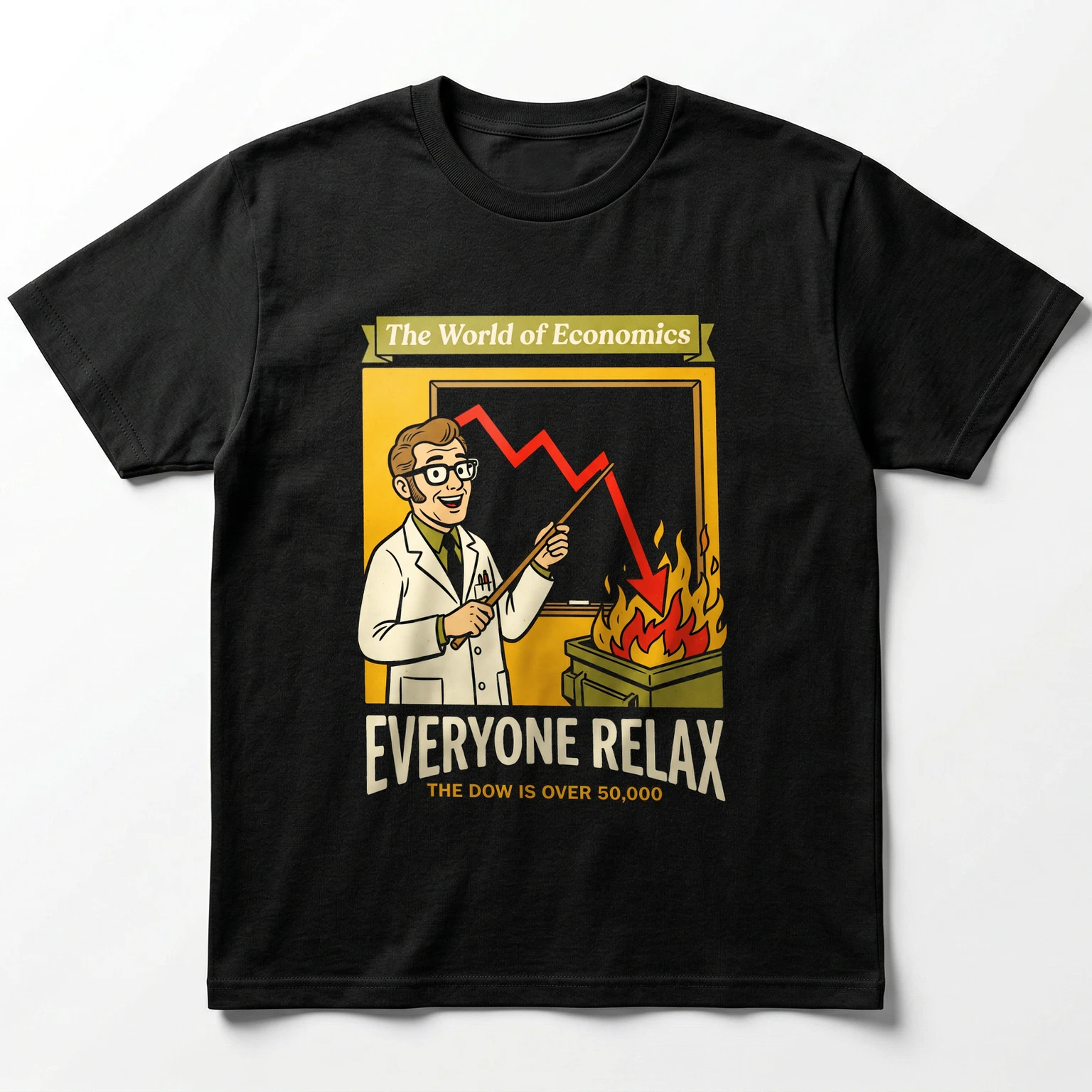
Contextually, unexpected political terminations frequently trigger market anxiety, as the vacuum of leadership introduces unquantifiable risk into economic forecasting models. The swift reaction from Wall Street highlighted the deep interconnectedness of political appointments and corporate market stability. The implication of this market commentary suggests a fragile economic environment that is highly reactive to political instability and bureaucratic infighting. For retail investors and public observers navigating these chaotic economic shifts with a sense of cynical humor, products like the My First Market Crash Dumpster Fire Retro T-Shirt & Hoodie perfectly capture the modern cultural sentiment toward politically driven market volatility. Ultimately, the financial reaction to the firing proves that political risk remains a dominant factor in short-term market valuation.
Frequently Asked Questions
- What led to the firing of Pam Bondi?
- The firing of Pam Bondi resulted from escalating internal disputes regarding political strategy, administrative oversight, and public policy direction. Her strictly conservative legal approach and aggressive leadership style eventually clashed with shifting executive priorities. This irreconcilable conflict over organizational mandates led to an abrupt termination that deeply polarized both political allies and institutional critics.
- How did the public react to the Pam Bondi firing?
- The public reaction to the Pam Bondi firing was immediately polarized, sparking large-scale protests and competing demonstrations nationwide. Conservative supporters viewed the termination as an unjustified political purge and mobilized to demand accountability, while progressive critics publicly celebrated the removal of a controversial figure, leading to sustained civic unrest and intense media scrutiny.
- Did the firing of Pam Bondi affect the financial markets?
- Yes, the firing of Pam Bondi triggered noticeable short-term volatility in financial markets, particularly within sectors heavily dependent on conservative deregulatory policies. Market commentary highlighted intense investor anxiety over potential administrative shifts, causing temporary sell-offs in politically sensitive industries as institutional investors rapidly recalibrated their compliance and risk assessments.
- What was the primary focus of Pam Bondi’s tenure before her dismissal?
- Pam Bondi’s tenure was heavily focused on implementing aggressive conservative legal strategies, prioritizing state-level sovereignty, and defending strict constitutional originalism. She actively engaged in multi-state litigation against progressive federal mandates and championed extensive corporate deregulation, establishing a legacy that garnered staunch conservative support while drawing intense criticism from progressive consumer advocates.