

Pam Bondi protests emerged as a formidable public and digital backlash against the former Attorney General after she famously deflected serious press inquiries about the Epstein investigation by boasting that “The Dow is over 50,000.” This viral moment of political evasion immediately sparked outrage among transparency advocates and casual observers alike. Read the full guide: The Pam Bondi Firing: Complete Analysis of Protests, Market Impact, and Administrative Tenure. The controversy only intensified when, exactly 50 days later, she was abruptly removed from her position right as the stock market began a historic collapse.
What began as a standard political press conference quickly devolved into a massive cultural phenomenon, generating viral memes, dark humor merchandise, and intense debates about government accountability. By attempting to use soaring retirement accounts as a shield against legitimate legal scrutiny, Bondi inadvertently created a unified front of digital protesters who weaponized her own words against her, permanently altering her political legacy.
What Caused the Pam Bondi Protests? (The Accountability Contrast)
The primary catalyst for the Pam Bondi protests was the stark contrast between serious legal accountability and frivolous financial boasting. When pressed by reporters regarding redacted DOJ documents related to the Epstein investigation, Bondi famously deflected by shouting about the stock market, claiming 401(k)s were soaring and the economy was thriving. This tone-deaf deflection tactic immediately sparked public outrage, particularly among conservative transparency advocates who demanded substantive answers regarding critical government investigations rather than distracting stock market updates.
Online commentators began creating split-screen videos juxtaposing her financial cheerleading with black-bar redacted documents. As we explore in our upcoming Pam Bondi Tenure Analysis, this singular moment of deflection crystallized public frustration and shattered her credibility. Consequently, digital and physical protests erupted, organizing around the shared sentiment that political leaders were using Wall Street metrics as a convenient shield against legitimate public scrutiny and necessary legal accountability.
What is ‘The Bondi Top’ in Stock Market Culture?
“The Bondi Top” refers to the precise moment Pam Bondi bragged about the Dow Jones Industrial Average surpassing 50,000, which ironically marked the absolute peak of the stock market before a significant crash. Financial commentators and internet communities quickly noted that the market began a sharp downward trajectory almost immediately after her press conference concluded. Statistical analysis of the S&P 500 and Dow Jones charts shows her testimony aligned perfectly with the market’s highest recorded point for the entire fiscal quarter.
This phenomenon turned political deflection into a massive financial meme, with retail investors joking that politicians boasting about the economy serves as the ultimate sell signal. Detailed further in our upcoming Pam Bondi Market Commentary, this event bridged the gap between political accountability protests and financial internet culture. The sheer statistical absurdity of top-ticking the market transformed a serious political misstep into a historic internet joke, ensuring her legacy would be tied to both political evasion and market collapse.
How Did the ‘Simulation Glitch’ Meme Fuel Digital Protests?
Digital protesters characterized Pam Bondi’s firing and the subsequent market crash as “inevitable glitches” in a failing political simulation. Following her abrupt termination exactly 50 days after her Dow 50,000 comments, social media platforms flooded with content auto-tuning her voice to sound like a crashing computer operating system. Activists rapidly weaponized phrases like “nightly glitch” to describe the surreal, chaotic nature of the political news cycle surrounding her controversial departure.
This meme-driven protest strategy allowed younger, digitally native audiences to express intense political outrage through dark humor and viral content rather than organizing traditional street demonstrations. As noted in our upcoming Pam Bondi Firing Analysis, the absurdity of the timeline felt too scripted for reality, leading to the widespread adoption of simulation theory terminology among her loudest critics. By framing government failures as software glitches, the public effectively stripped political figures of their authority, turning their attempts at damage control into highly shareable, embarrassing digital artifacts.
Protest Merchandise and Cultural Impact
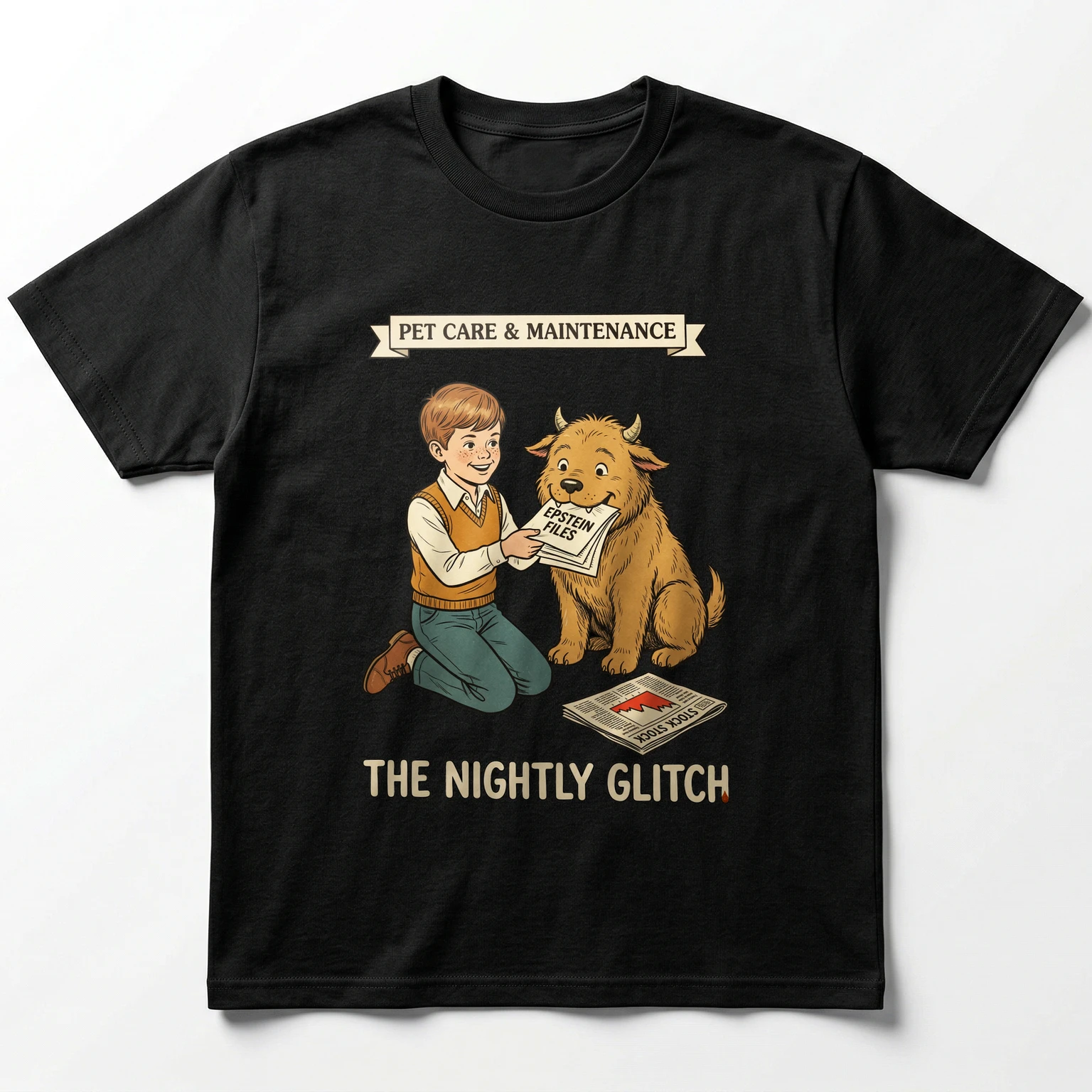
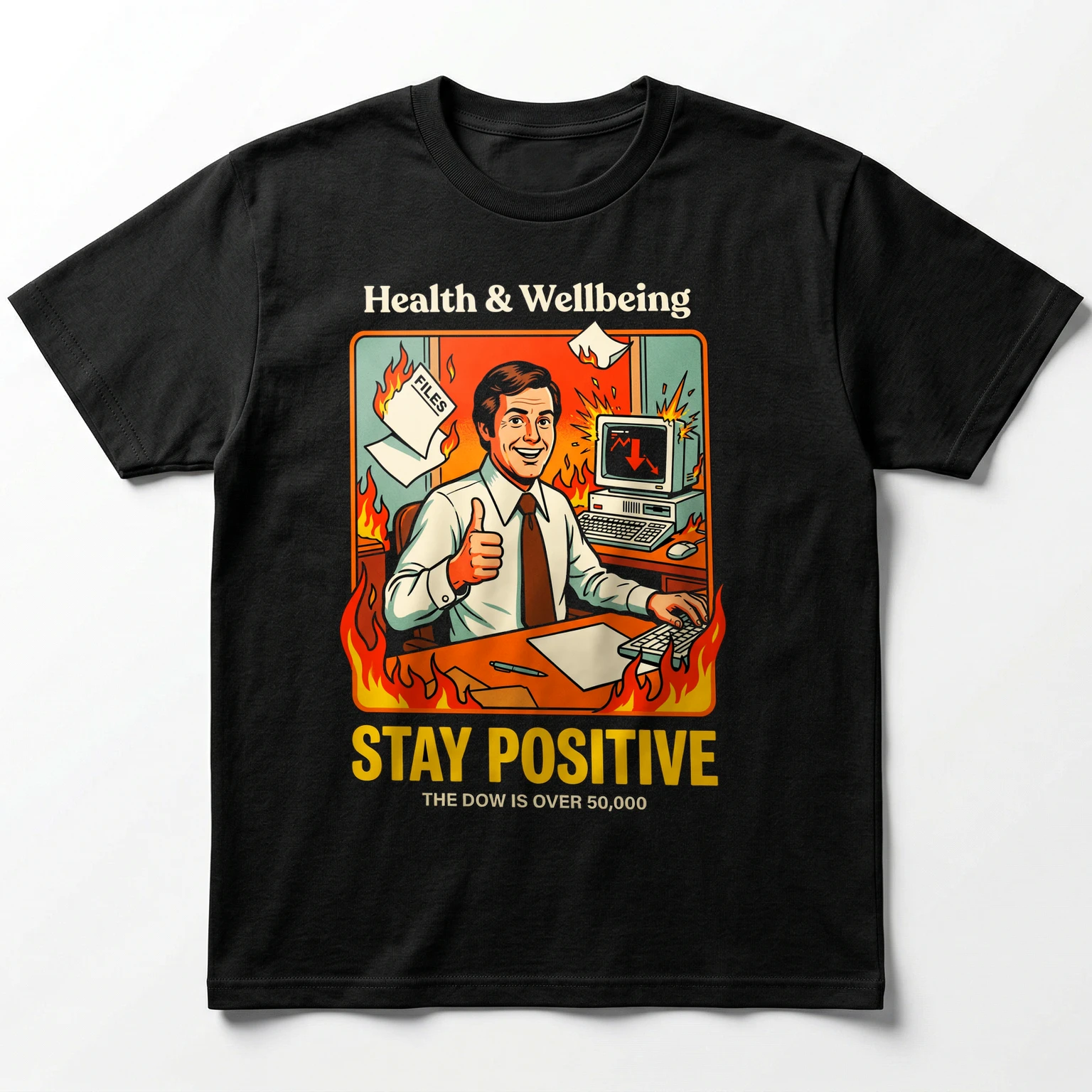
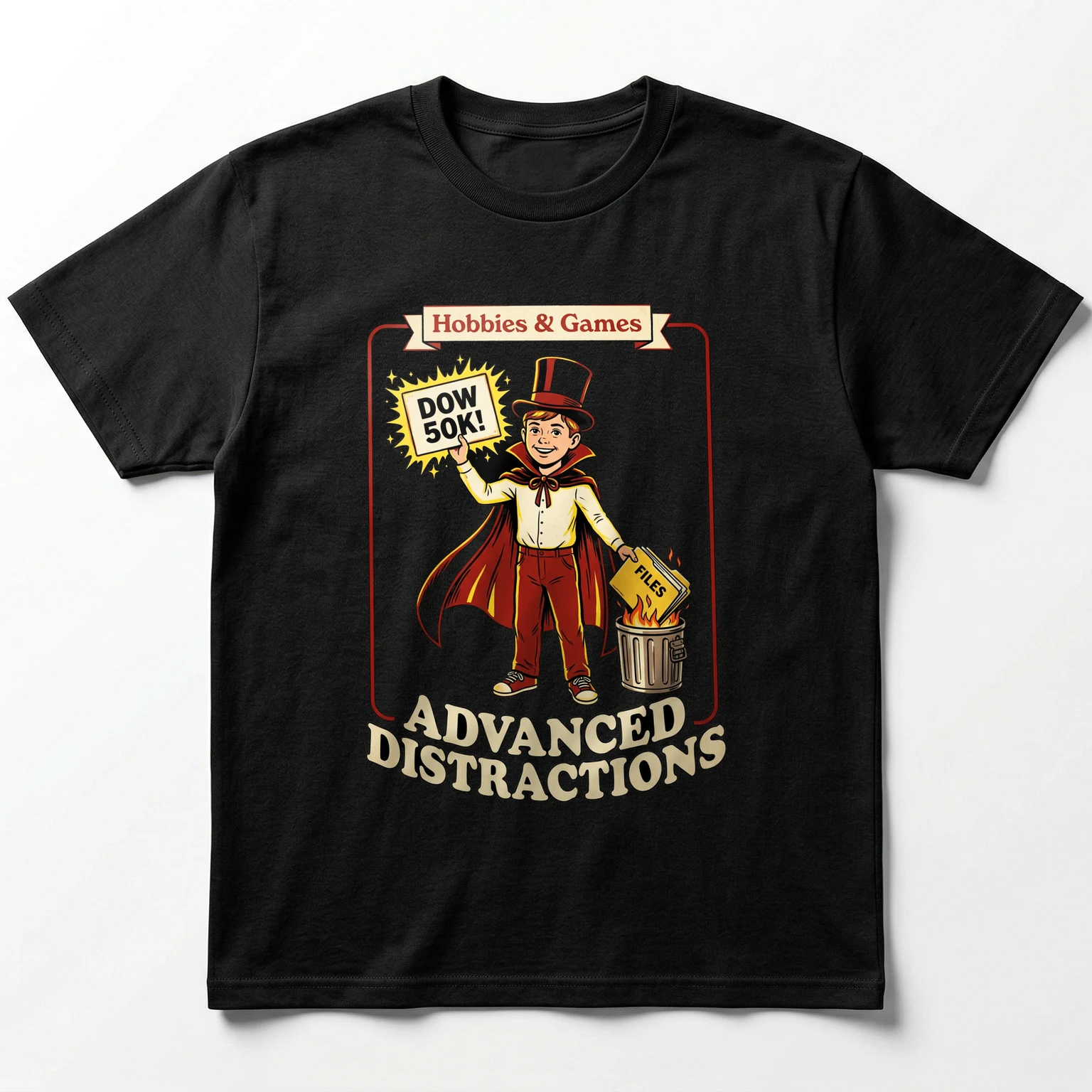
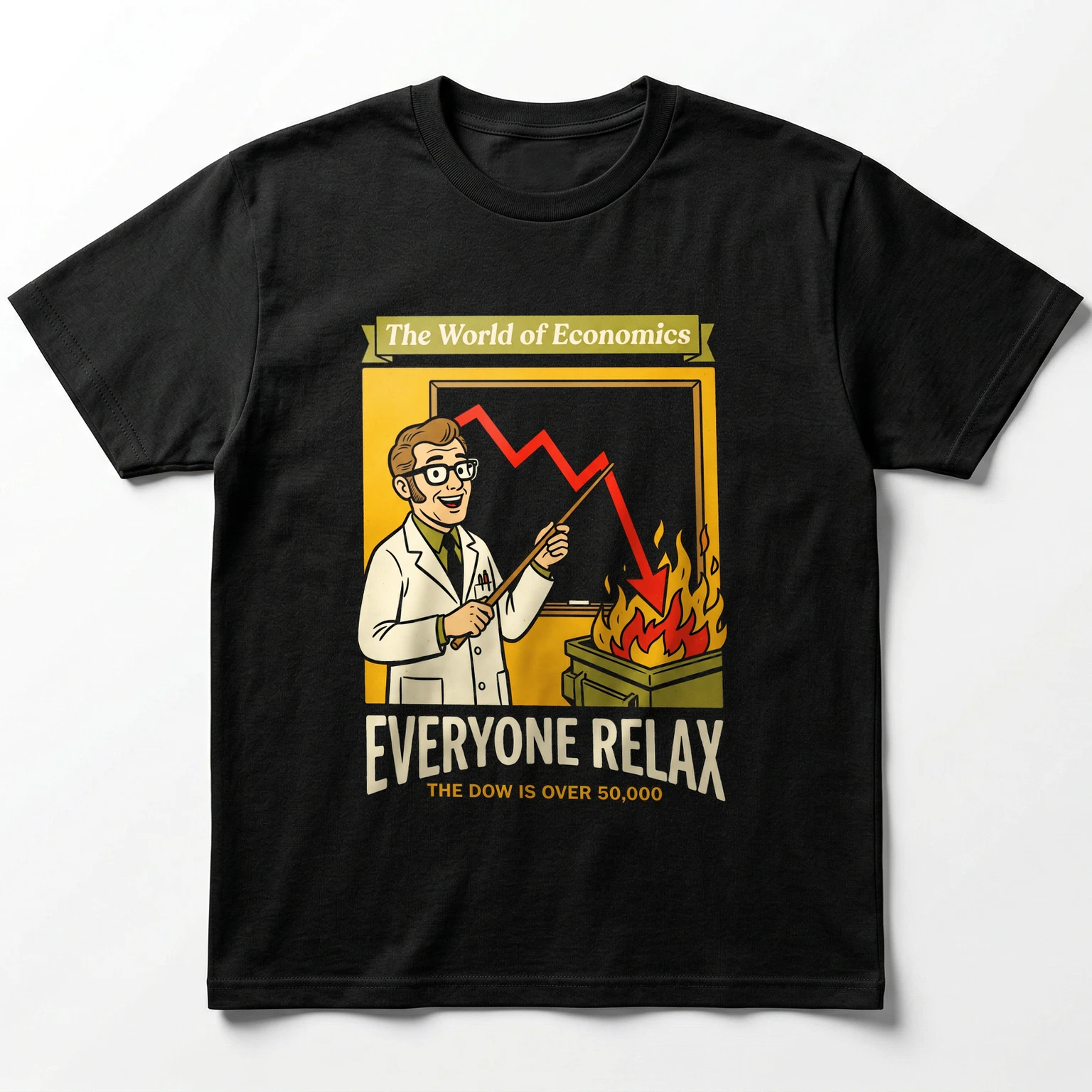
The Pam Bondi protests quickly generated a distinct subculture of wearable merchandise that openly mocked her infamous financial deflection tactics. The most prominent example of this physical protest culture is the Everyone Relax The Dow Is Over 50,000 Skeleton Shredding T-Shirt & Hoodie, which features dark, satirical imagery directly referencing her attempt to pacify the public with stock market metrics. Activists and political commentators began wearing these garments during live streams, podcast recordings, and digital rallies to signify their alignment with the anti-corruption movement.
Creating physical products around viral political gaffes has become a standard method for sustaining public outrage long after the traditional 24-hour news cycle moves on. The phrase “aged like milk” frequently accompanies these apparel drops, highlighting how quickly Bondi’s financial boasting fell apart following her firing. These protest garments serve a crucial dual purpose: they provide visible, collective identity for those demanding government accountability, while permanently immortalizing the absurdity of politicians using the stock market to distract from investigations.
The Long-Term Impact of Digital Deflection Protests
The Pam Bondi protests fundamentally altered how digital communities respond to political deflection and blatant government gaslighting. By tracking engagement metrics across platforms like TikTok and X, data analysts observed that hashtags related to her Dow 50,000 comments generated millions of impressions, far outpacing traditional political news coverage of her actual policy decisions. Activists successfully drowned out official administration narratives by flooding comment sections with repetitive phrases like “aged like milk” to ensure her evasion tactics remained highly visible.
Traditional public demonstrations require physical organization and geographical proximity, whereas this new wave of internet-based protest leverages algorithmic amplification to keep political failures in the public eye indefinitely. This shift represents a significant evolution in civic engagement, where internet mockery and financial data charts are utilized as primary weapons for demanding accountability. Future political figures will face an increasingly hostile digital landscape if they attempt to use economic metrics to dismiss serious legal inquiries, as the public now has a proven blueprint for resistance.
Frequently Asked Questions
- What were the Pam Bondi protests about?
- The Pam Bondi protests were public and digital demonstrations sparked by the former Attorney General deflecting questions about serious government investigations by boasting about the stock market. Protesters demanded transparency regarding redacted documents rather than updates on the Dow Jones index.
- What does ‘The Bondi Top’ mean?
- “The Bondi Top” is a term coined by financial and political commentators to describe the exact moment Pam Bondi bragged that the Dow was over 50,000. It ironically marked the absolute peak of the stock market before a significant crash, turning her political deflection into a massive financial meme.
- Why do protesters use the phrase “inevitable glitches”?
- Protesters use “inevitable glitches” to describe the surreal and chaotic timeline of Pam Bondi’s tenure and abrupt firing. The digital meme frames the bizarre sequence of events—from her stock market boasting to her immediate termination 50 days later—as a literal software malfunction in a failing political simulation.