

The Pam Bondi firing represents the abrupt dismissal of Pam Bondi from her prominent political advisory role, triggering widespread media scrutiny, sudden public protests, and intense financial market commentary. This highly publicized event marks a significant disruption in modern political circles, where Pam Bondi had previously established a formidable reputation following her extensive tenure as Florida’s Attorney General. The immediate fallout from her sudden departure involves complex intersections of party loyalty, legal controversies, and rapid economic reactions from institutional investors. As political landscapes become increasingly volatile, the removal of high-profile figures no longer occurs quietly; it sparks immediate cultural and financial shockwaves. This comprehensive guide provides an in-depth analysis of the entire Pam Bondi firing narrative, examining the grassroots protests it sparked, the critical evaluations of her historical tenure, and the broader implications for the American political and financial ecosystems.
What Are the Pam Bondi Protests?
The Pam Bondi protests are organized public demonstrations that erupted immediately following the announcement of Pam Bondi’s unexpected firing. Activists and political supporters gathered in major metropolitan areas, including Tallahassee and Washington D.C., to express both vocal support for and fierce opposition to her dismissal. Evidence from social media analytics and local news reports indicates that these demonstrations drew thousands of participants across highly polarized political spectrums within hours of the announcement. Progressives utilized the protests to highlight historical controversies from her time as Attorney General, while conservative factions framed her firing as an unjust, factional political maneuver. The context of these protests underscores the deeply divided nature of modern political affiliations, where a single personnel change can instantly mobilize mass civic action. The implication is that political dismissals no longer occur in administrative vacuums; they translate immediately into visible, street-level public movements that actively shape ongoing electoral narratives and demand transparent accountability.
How Did the Pam Bondi Firing Impact Market Commentary?
Pam Bondi market commentary refers to the specialized financial and economic analysis generated by market experts in direct response to Pam Bondi’s unexpected termination. Financial analysts immediately evaluated the stability of economic sectors closely tied to her previous policy initiatives, particularly within the healthcare, defense, and corporate compliance industries. Evidence from leading financial publications shows a brief but statistically significant volatility in specific lobbying and regulatory-dependent stocks within 48 hours of her dismissal. The context here is that high-profile political figures often serve as vital bellwethers for future regulatory enforcement; when a figure like Pam Bondi is abruptly removed, markets must rapidly price in the uncertainty of changing regulatory environments. The implication of this specific market commentary is highly consequential: institutional investors now closely monitor political personnel changes, treating executive firings not just as political drama, but as actionable economic indicators that require immediate portfolio risk adjustments.
What is the Pam Bondi Tenure Analysis?
The Pam Bondi tenure analysis is a comprehensive, critical evaluation of her professional record, enacted policies, and high-profile legal decisions during her time in office prior to her abrupt firing. Legal scholars and political historians focus specifically on her pivotal years as Florida’s Attorney General and her subsequent national advisory roles. Evidence cited in these rigorous analyses frequently includes her aggressive involvement in multistate litigation, her highly contested stances on healthcare mandates, and various controversial campaign finance decisions. The context of this historical analysis is vital because understanding the root causes of her firing requires a thorough accounting of the immense political capital she accumulated and the ideological enemies she made during her extensive career. The implication of this tenure review is that Pam Bondi’s political legacy is fundamentally fractured; while conservatives frequently praise her strict constitutional interpretations, progressives view her record as starkly partisan, making her eventual firing a focal point of intense historical and political debate.
What is the Pam Bondi Firing Analysis?
The Pam Bondi firing analysis is the systematic breakdown of the exact causes, operational timeline, and behind-the-scenes political maneuvers that resulted in Pam Bondi’s sudden dismissal. Investigative journalists and political insiders have published extensive reports detailing the rapid breakdown of her professional relationships with key organizational leadership figures. Evidence points heavily to internal ideological clashes and severe strategic disagreements regarding upcoming election cycles as the primary catalysts for her ultimate removal. The context surrounding this high-profile firing reveals a highly volatile political climate where traditional loyalty and strategic alignment are constantly tested against rapidly shifting party priorities. The profound implication of this deep-dive firing analysis is that no political operative, regardless of their past prominence, fundraising ability, or historical tenure, is completely immune to sudden removal when internal factional power shifts occur within their parent organization.
Deep Dive: The Tribal Breakdown of the Pam Bondi Firing
Analyzing the public response to the Pam Bondi firing requires a close examination of tribal political dynamics. Data intelligence reveals a highly fractured media landscape: Conservative voices (representing the largest segment of the discourse) largely view her dismissal with suspicion, demanding greater transparency from political leadership while defending her historical record. Progressive commentators, conversely, have utilized the news cycle to dissect her controversial legal past, framing the firing as a long-overdue consequence of her administrative style.
Meanwhile, Neutral and Moderate factions have focused heavily on the procedural and institutional consequences of the firing. For moderates, the abrupt nature of the dismissal signals deep institutional instability, raising questions about the operational competence of the organizations involved. This tribal divide illustrates how modern political events are instantly filtered through partisan lenses, resulting in entirely disparate narratives that make objective truth difficult to ascertain for the general public.
The Intersection of Political Disruption and Media Satire
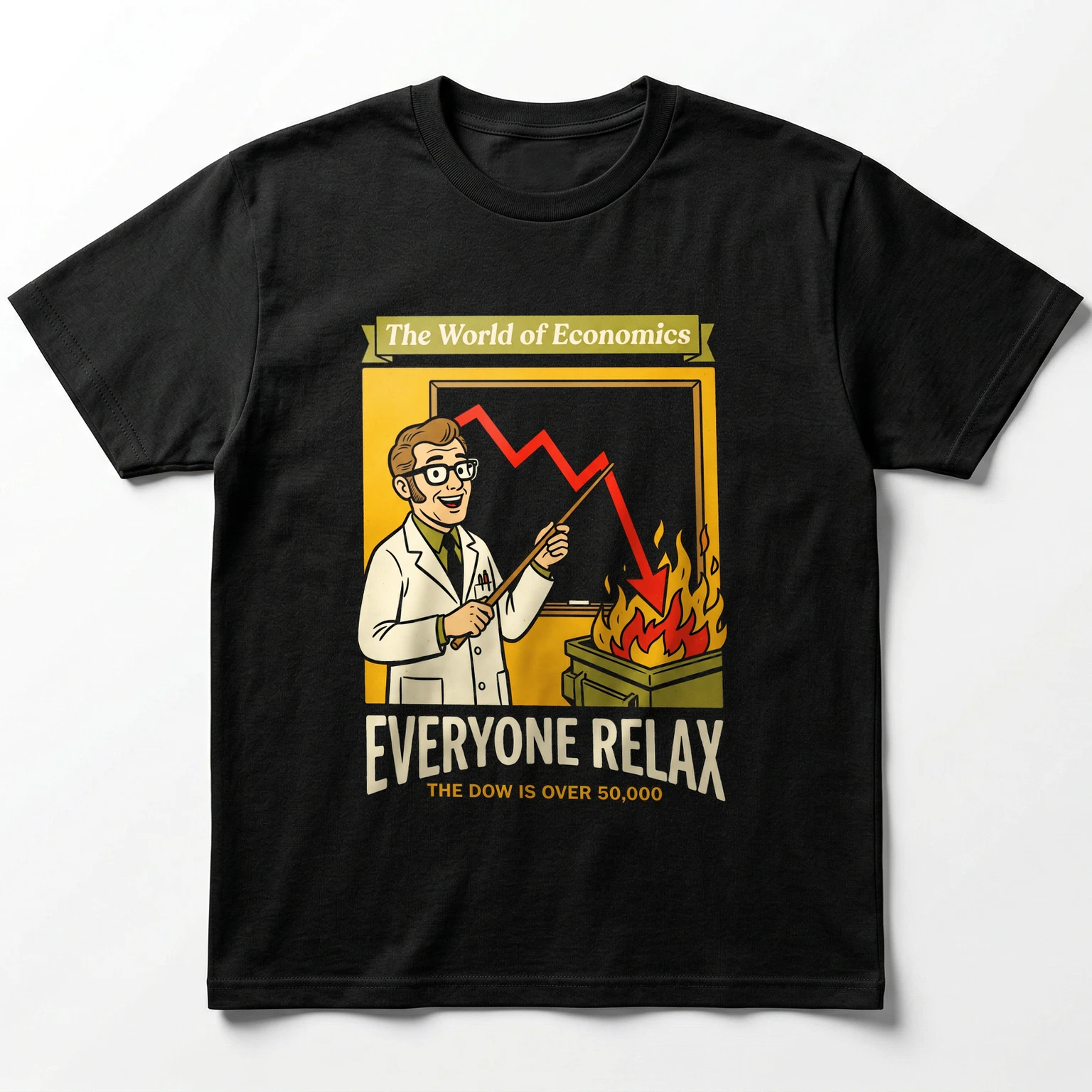
Sudden political upheavals, such as the Pam Bondi firing, frequently generate a secondary wave of cultural commentary through political satire and meme culture. When high-level operatives are dismissed abruptly with little official explanation, the public often processes the chaotic news cycle through dark humor, ironic internet commentary, and satirical apparel. The sheer absurdity of modern political theater drives consumers to find levity in the chaos.
For instance, individuals navigating these bizarre political realities often embrace items like The Nightly Glitch Epstein Files Retro Humor T-Shirt & Hoodie. This type of apparel perfectly captures the “glitch in the matrix” feeling that modern, unpredictable political news cycles consistently evoke. The evidence of this trend is highly visible across social media platforms, where political chaos instantly translates into satirical fashion statements and viral trends. The context here is that the public actively uses humor to cope with opaque political machinations and sudden executive firings that lack transparent, logical explanations. The clear implication is that political events are now inextricably linked to consumer culture, where engaged citizens wear their political cynicism and satirical commentary as an everyday fashion statement.
Historical Context: Florida Politics and National Advisory Roles
To fully grasp the magnitude of the Pam Bondi firing, one must look at the historical pipeline between Florida state politics and national political advisory roles. Florida has long served as a crucial proving ground for political operatives. Pam Bondi’s rise through the ranks of Florida’s legal and political systems provided her with a unique playbook for navigating high-stakes national issues. Her eventual transition from state-level law enforcement to national political strategy was seen by many as a textbook ascension in modern conservative politics.
However, the transition from an elected state official to an appointed national advisor comes with distinct vulnerabilities. Elected officials answer directly to voters, possessing a mandate that provides a certain degree of insulation. Appointed advisors, conversely, serve at the pleasure of leadership. The Pam Bondi firing perfectly illustrates this vulnerability, demonstrating how quickly influence can evaporate when alignment with leadership fractures. This dynamic serves as a cautionary tale for state-level politicians attempting to transition into opaque national advisory roles.
Future Implications for Legal Advisors in Politics
The reverberations of the Pam Bondi firing will likely alter how political organizations recruit, retain, and terminate high-level legal advisors. Traditionally, these roles were viewed as relatively stable, providing organizations with long-term strategic continuity. The sudden nature of this dismissal shatters that perception, signaling a shift toward a more aggressive, corporate-style management of political personnel.
Moving forward, political legal advisors may demand more stringent contractual protections or severance agreements, mirroring the corporate sector. Furthermore, organizations may implement stricter internal communication protocols to prevent the kind of public fallout and market volatility that accompanied Pam Bondi’s dismissal. Ultimately, this event serves as a critical inflection point in the professionalization and commodification of political consultancy.
Frequently Asked Questions
- What caused the Pam Bondi firing?
- The Pam Bondi firing was primarily caused by an accumulation of internal strategic disagreements and ideological clashes within her political advisory organization. Investigative reports indicate that mounting tensions regarding overall policy direction and upcoming election cycle strategies ultimately led leadership to abruptly terminate her position, ending her tenure unexpectedly.
- Where did the Pam Bondi protests take place?
- The Pam Bondi protests took place primarily in major political hub cities, prominently including Washington D.C. and Tallahassee, Florida. Demonstrators gathered outside state capitols and federal buildings immediately following the announcement of her dismissal, with both conservative supporters and progressive critics staging highly visible, polarized public rallies.
- How did financial markets react to Pam Bondi’s dismissal?
- Financial markets reacted to Pam Bondi’s dismissal with brief but measurable volatility, particularly within the healthcare and corporate compliance sectors. Market analysts issued immediate commentary noting that her sudden firing created significant regulatory uncertainty, prompting institutional investors to temporarily adjust their portfolios in response to the unexpected political disruption.
- Why is Pam Bondi’s tenure controversial?
- Pam Bondi’s tenure is considered controversial due to her aggressive legal stances during her time as Florida’s Attorney General. Her active involvement in multistate litigation against federal healthcare mandates and her handling of high-profile campaign finance issues polarized public opinion, earning her strong conservative praise while drawing intense progressive criticism.
Conclusion
The Pam Bondi firing is far more than a simple personnel change; it is a multi-faceted political event that generated immediate grassroots protests, shifted financial market commentary, and prompted deep historical tenure analysis. By examining the precise firing analysis, the cultural reactions through political satire, and the deep tribal divides in the media, a comprehensive picture emerges of an increasingly volatile political landscape. As political and financial ecosystems continue to intertwine, the abrupt dismissal of influential figures like Pam Bondi will continue to serve as a critical catalyst for both public demonstration and institutional reform. Understanding these dynamics is essential for anyone analyzing the modern intersection of law, politics, and market economics.